

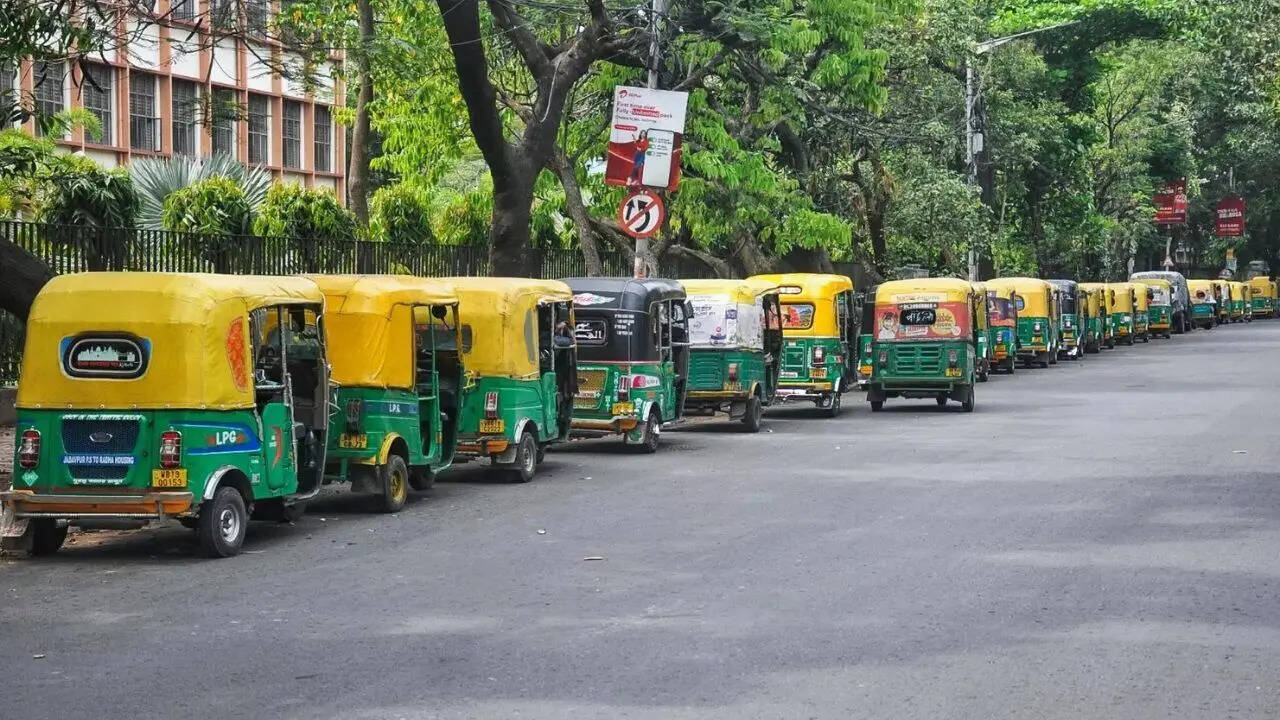
Another day, another fuel price hike hitting Indian consumers. Just when you thought your budget couldn’t stretch any further, the cost of Compressed Natural Gas (CNG) has seen its third significant increase in less than ten days. This relentless upward trend is mirroring similar rises in petrol and diesel prices, creating a growing concern for millions.
The latest surge pushes CNG prices to a staggering Rs 81.09 per kg in Delhi, a stark reminder of the escalating cost of commuting and doing business across the nation. This isn’t an isolated event; it’s part of a broader pattern impacting various fuel types, tightening the squeeze on household budgets and operational costs for industries.
The Relentless Rise: What’s Driving Fuel Costs Up?
The primary culprit behind this continuous escalation is the volatile international market. Surging global crude oil costs, largely fueled by ongoing geopolitical tensions in the Middle East, are directly translating into higher pump prices back home. India, being a significant importer of crude oil, is particularly vulnerable to these global shifts. When international benchmarks rise, so does the cost of production and procurement for fuel retailers, which inevitably gets passed on to the end consumer.
Global Turmoil and Your Fuel Bill
The instability in key oil-producing regions creates supply uncertainties, driving up the price of crude. This, in turn, impacts not only petrol and diesel but also natural gas, which often follows similar market dynamics. The current environment leaves little room for price stability, making it difficult for consumers and businesses to plan their finances and budget for daily commutes or logistical operations.
The Ripple Effect: Who Pays the Price?
The immediate impact of these successive fuel price hikes is being acutely felt by a critical segment of the economy: transport operators. From auto-rickshaw drivers to bus operators and commercial logistics companies, the increased cost of CNG, petrol, and diesel directly eats into their profit margins, making their services less viable.
From Commuters to Carriers: The Growing Burden
In response to this untenable situation, transport associations and operators are making their voices heard. They are actively protesting, demanding urgent fare revisions to compensate for the higher operational costs. Furthermore, there’s a strong call for a rollback of fuel surcharges that have become an additional burden on their balance sheets. If these demands are not met, the increased costs are likely to be passed on to commuters and consumers in the form of higher fares for public transport and increased prices for goods and services, contributing to broader inflationary pressures across the economy.
As global pressures continue and local operators voice their concerns, the situation remains fluid. Consumers are advised to stay informed about the evolving fuel prices in their respective cities as they prepare for potential further impacts on their daily expenditures and overall cost of living.

