

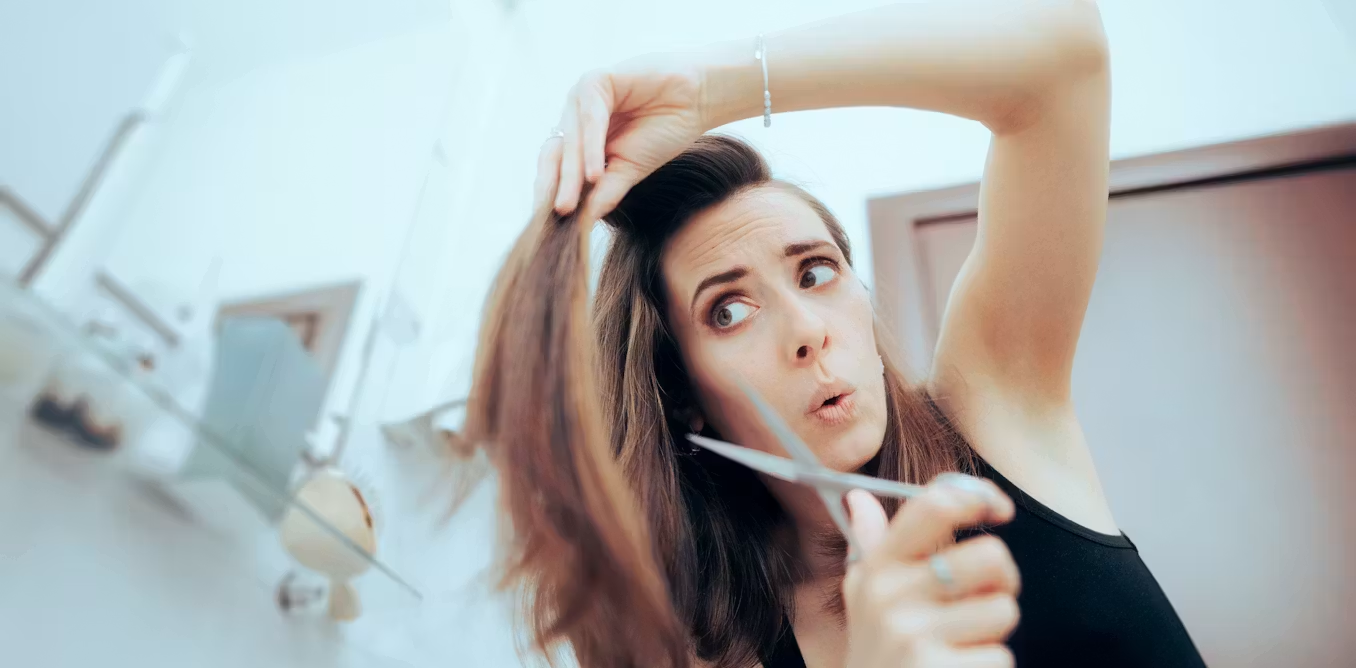
Think about the last time you looked in the mirror and sighed at the sight of your hair. Maybe it was frizzing, flattening, greying, thinning or simply refusing to do what you wanted. For many people, hair comes with a running commentary – a private, near-constant negotiation that we rarely stop to notice, let alone question.
My new research suggests this relationship matters far more than we think.
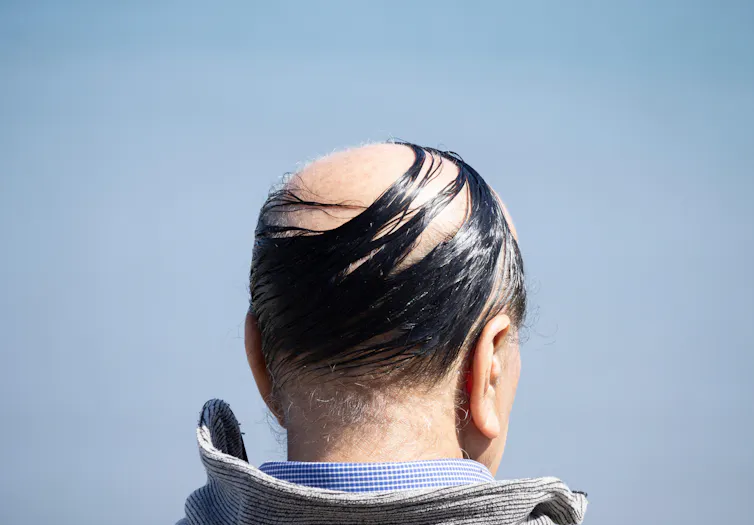
Hair has long been linked to identity, confidence, body image and quality of life. Research has shown that hair loss can affect psychological wellbeing in both men and women, while changes in hair texture, colour or style can influence how people see themselves and how they believe others see them.
Yet despite decades of research into appearance and body image, psychology has paid surprisingly little attention to one simple question: what does it actually mean to have a positive relationship with your hair?
To answer that question, I interviewed men and women about their experiences of living with their hair, before developing a new psychological model of what a positive relationship with hair looks like. What emerged wasn’t a picture of people with “perfect” hair or even people who loved their hair every day. Instead, they related to it differently.
People with a positive relationship with their hair took the time to understand it. They were curious about how it behaved, willing to learn what worked for it and open to experimenting rather than giving up.
Instead of spending their energy trying to force their hair to become something it wasn’t, they worked with its natural characteristics. They cared for it, respected it and, crucially, didn’t allow a bad hair day to become a judgment about themselves.
That doesn’t mean they never felt frustrated. Frizzy hair still frizzed. Fine hair still fell flat. Curly hair still had a mind of its own. The difference was in the conversation they had with themselves. Rather than thinking, “I hate my hair,” they were more likely to ask, “What does my hair need?” or “Maybe I haven’t found the right way to work with it yet.”
That shift may sound subtle, but psychologically it represents a very different relationship.
Islandstock
Why it matters
A positive relationship with your hair is about far more than avoiding the occasional bad hair day. It can influence how confidently you move through the world, how authentically you express yourself, and how you experience life.
The people I interviewed described hair as being woven into their experiences and memories. One man spoke about riding his motorbike with his long hair flowing in the wind, calling the feeling “magical”.
Another woman described the decision to stop dyeing her hair and embrace her natural grey as one of the most empowering choices she had made. Rather than seeing grey hair as something to hide, she saw it as an opportunity to challenge stereotypes about ageing and hoped that, by wearing it proudly, she might help make grey hair more accepted for other women too.
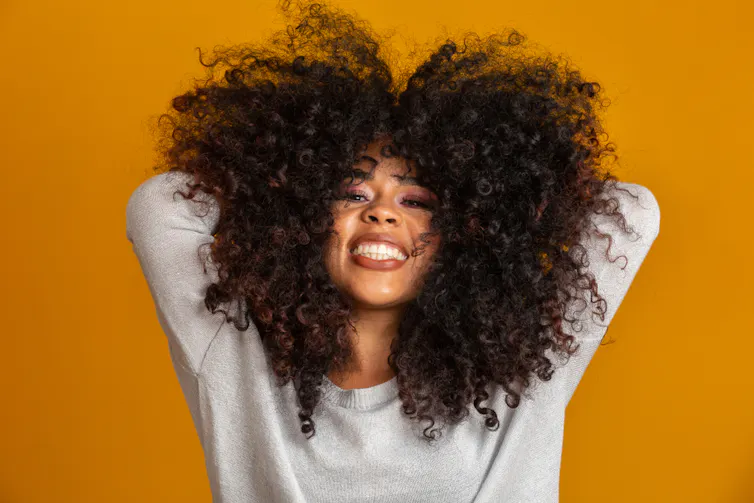
Others talked about embracing their natural curls as freeing or finding hairstyles that felt true to who they were.
Hair featured in some of their happiest memories. It was a vehicle for self-expression and moments of freedom, confidence, creativity, playfulness and joy.
So what might a healthier relationship with your hair look like in everyday life?
It starts with getting to know it. Every head of hair has its own texture, density, growth pattern and quirks. Instead of asking why your hair won’t behave like someone else’s, spend time understanding what makes yours unique. What does it do well? What helps it thrive? What have you never really learned about it?
It also means working with your hair rather than against it. That might involve speaking to a hairdresser, seeking inspiration, trying different products or simply learning more about your hair. There’s never been more information available, much of it free. The goal isn’t perfect hair – it’s finding ways to care for your own.
Part of that is developing routines that fit your lifestyle. Hair care is much easier to maintain when it works alongside the realities of everyday life rather than competing with them.
AT Global/Shutterstock.com
Experiment
Give yourself permission to experiment, too. Try different styles, lengths or ways of wearing your hair and notice how they make you feel. The most meaningful question isn’t whether everyone else likes your hair. It’s whether it feels like you.
And when your hair disappoints you, resist the urge to turn that frustration against yourself. Respond with the same curiosity and self-compassion you might offer a friend. Ask what your hair needs, what you can learn and what you might try differently next time.
Like any relationship, the one you have with your hair will have good days and bad days. But my research suggests that when we stop trying to control our hair and start understanding it instead, we may find something more valuable than the elusive “perfect hair”: a healthier relationship with ourselves.

