

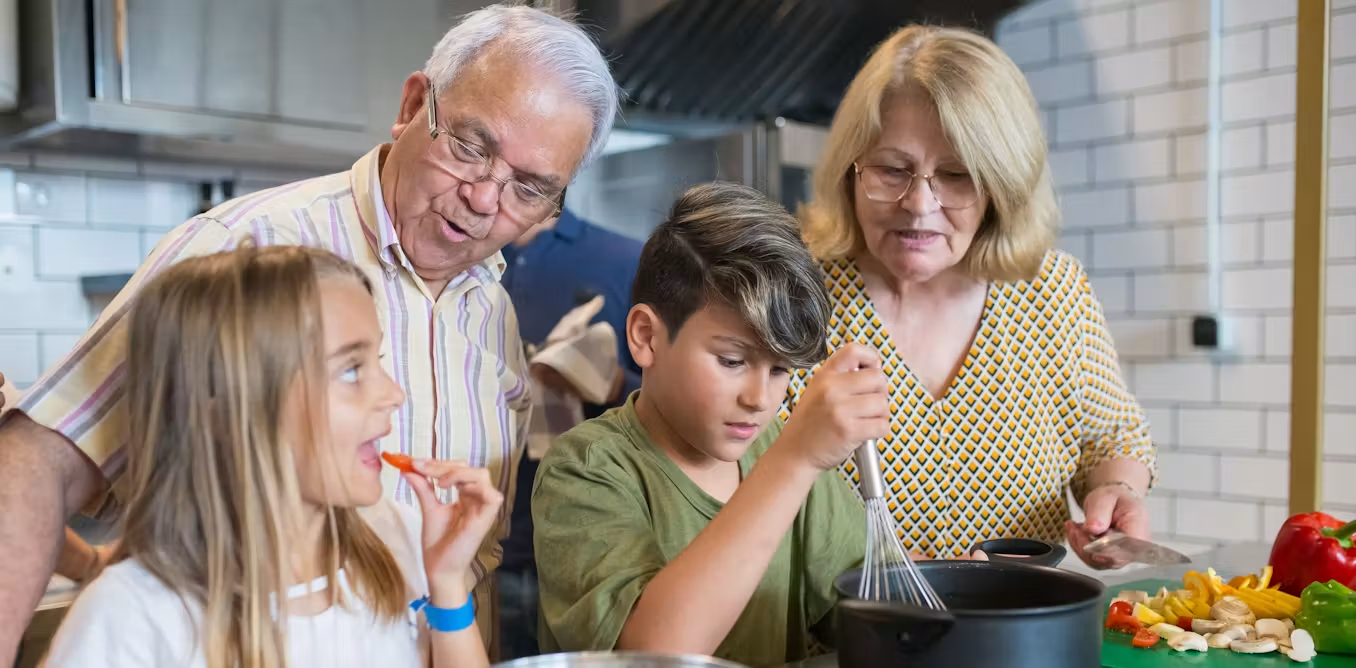
The end of the school term means parents and grandparents are often looking for ways to entertain the kids. As temperatures drop throughout winter, your family may also be looking for more indoor activity ideas.
A great way to pass the time is to involve the kids in cooking. It’s a fun, low-pressure hobby, and you’re likely to have more time for it during the school holiday period.
Some parents may worry cooking is unsafe or too difficult for children. But by assigning tasks that are age-appropriate, kids can easily help out in the kitchen.
Benefits of cooking together
When children cook with older family members, they get more than just a tasty meal.
Cooking helps children and teenagers understand the importance of nutrition earlier in life, and frequent family meals can encourage kids to try a wider variety of food.
Research suggests cooking with children can also support their emotional wellbeing by strengthening family bonds and creating a sense of belonging. As children cook – and improve their concentration and coordination skills – they build more confidence in themselves too.
So where is the best place to start? And which dishes work best?
What works well
Every family is different, so the best recipes for you will depend on particular food preferences, dietary requirements, and kitchen equipment. In general, recipes are more likely to work well with kids if they don’t have too many ingredients and can be adapted to suit different tastes. It’s also a good idea to use affordable ingredients so that if things go wrong it doesn’t become an expensive meal.
These are some of our favourite, family-friendly food ideas for winter:
-
soups – a great budget-friendly option that’s easy to adapt to different tastes
-
porridge – a versatile meal that allows kids to create flavour combinations by selecting their own ingredients
-
curries – another flexible dish with a range of different recipes that can be easily modified to suit personal flavour preferences
-
fritters – a crowd-pleaser that is perfect for using up leftover vegetables.
Other great food ideas for families are:
- homemade pizza
- tacos or wraps
- pasta bake
- muffins
- apple crumble
- beans on toast.
All of these foods are simple, flexible, and can involve children of all ages at different points in the process. For recipe ideas and meal-planning tips, check out the Grow&Go Toolbox. It’s a free government-funded, dietitian-approved resource that helps families feed children under five.
Getting children involved
There are many tasks kids can be involved in before even stepping foot into the kitchen. They can pick the recipe, write the shopping list, and pick ingredients at the shops. These are all key parts of the process that help build food skills and encourage healthier eating habits over time.
A simple way to start is to ask your child to choose a new food to try, and then build a meal around it.
When it comes to the big event – cooking – parents may be nervous about the safety of kids in the kitchen, which is understandable. However, there are cooking activities suitable for all ages, from toddlers to teens.
For example, young children (two to three years-old) can wash fruit and veggies, mix and knead dough with their hands, or use tools like cookie cutters. These tasks have the added bonus of strengthening their fine motor skills.
Pre-school children (three to five years-old) can help mix, stir and mash ingredients. They can also use child-safe knives for cutting (with supervision).
Early primary school-aged children (five to seven years-old) can flour and crumb food, peel produce using their fingers, and pour ingredients into dishes. Older children (seven years and above) can weigh and measure ingredients, and use equipment like graters or hand-mixers.
Safety in the kitchen
As a rule, keep steps involving heat and sharp items to adults. You know your child best and can match their tasks to their abilities.
Safety knives, plastic knives and butter knives can be used by three to five-year-olds to chop soft ingredients under close supervision. As children practise and become stronger, sharper knives and harder foods can be introduced.
While safety with knives and heat might be at the top of your mind, teaching kids how to prevent foodborne illnesses is just as important.
You can help your children learn about food safety by teaching them the importance of handwashing, cleaning surfaces before and after cooking, using separate chopping boards for meat, and keeping raw and cooked foods separate.

