

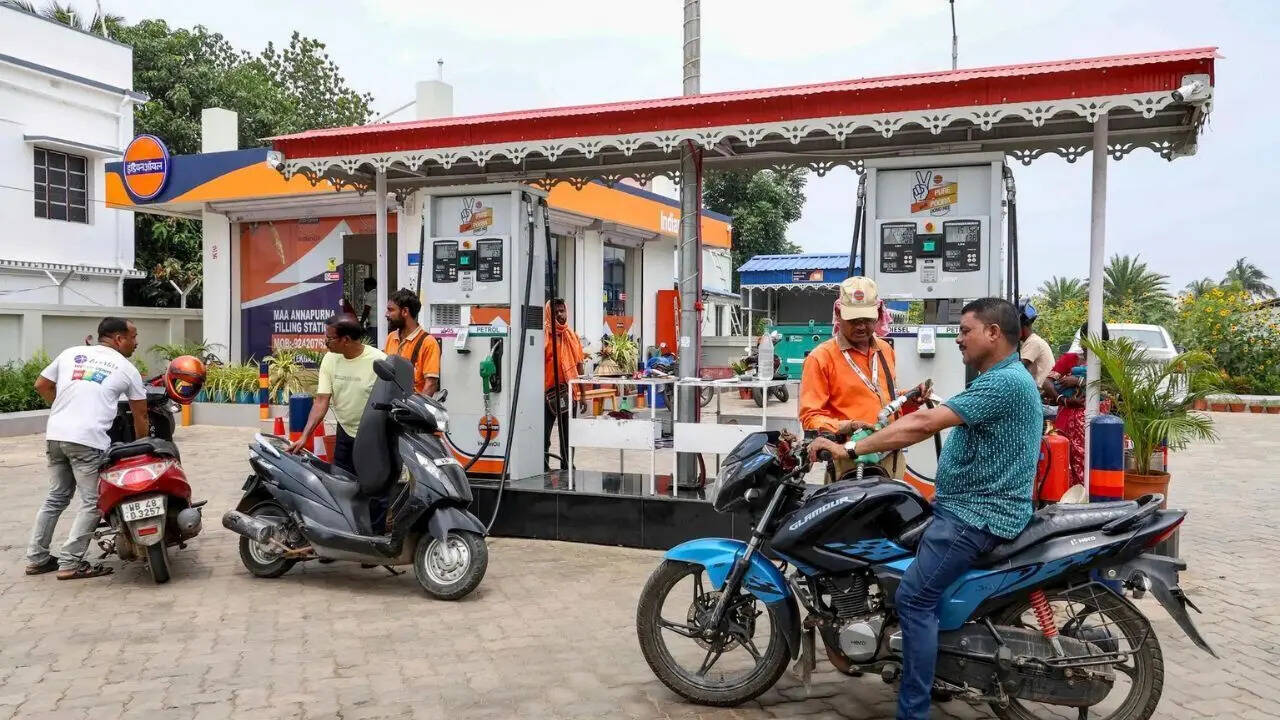
In a move impacting millions, India’s fuel prices have once again registered a significant upward revision. For the third time in under ten days, both petrol and diesel rates have climbed, adding to the financial burden of commuters and businesses alike. This rapid succession of hikes signals a turbulent period for energy costs, driven by complex global dynamics.
The Latest Jolt to Your Wallet: Understanding the Fuel Price Surge
Consumers across the nation are waking up to higher costs at the pumps, with the latest increase adding approximately 90 paise per litre to both petrol and diesel prices in many regions. This series of adjustments follows a prolonged period of stable fuel rates, making the recent escalations feel particularly sharp. The cumulative effect of these three hikes is substantial, prompting concerns about inflation and household budgets.
Why the Sudden Spike? Global Factors at Play
The immediate catalyst for these recurring price adjustments lies firmly in the international arena, where crude oil prices have been surging relentlessly. India, being a major oil importer, is directly exposed to these volatile global market shifts.
The Geopolitical Volcano: West Asia Conflict & Strait of Hormuz
At the heart of the current crisis are heightened geopolitical tensions. Ongoing conflicts in West Asia, coupled with disruptions in critical shipping lanes like the Strait of Hormuz, are creating significant uncertainty in the global oil supply chain. These flashpoints threaten the smooth flow of crude oil, leading to speculative buying and a sharp upward trend in international benchmarks.
The Ripple Effect: State-Run Oil Companies Under Pressure
Domestically, state-run oil marketing companies (OMCs) are bearing the brunt of these escalating global prices. For a period, these companies absorbed much of the international price volatility to maintain retail price stability. However, with sustained high crude costs, OMCs have been facing considerable losses, making these retail price revisions inevitable to ensure their financial viability and continued supply.
India’s Response & Your Role: Navigating the Energy Crisis
The situation presents a dual challenge: ensuring national energy security while managing the economic impact on citizens.
Securing Our Energy Future: Government Initiatives
The Indian government is actively engaged in diplomatic and strategic efforts to secure alternative energy supplies and diversify its crude oil import basket. Discussions are underway to mitigate the impact of global volatility and ensure a stable flow of essential energy resources to the nation.
Your Contribution: The Call for Fuel Conservation
Amidst these external pressures, there’s a renewed emphasis on fuel conservation. Citizens are being urged to adopt more mindful consumption habits. Simple actions like opting for public transport, carpooling, regular vehicle maintenance, and adopting efficient driving practices can collectively make a significant difference in reducing overall fuel demand and lessening the personal financial impact.
Staying Informed: How to Check Fuel Rates in Your City
Given the dynamic nature of fuel pricing, it’s crucial for consumers to stay updated. You can typically check the latest petrol and diesel rates in your specific city through:
- Official mobile apps of oil companies (e.g., IndianOil ONE, My HP, BPCL SmartDrive).
- SMS services provided by OMCs.
- Their respective websites.
- News portals and financial websites that regularly update fuel prices.
The Road Ahead
The current fuel price scenario is a stark reminder of India’s reliance on global crude oil markets. While the government works to buffer the impact, collective efforts towards conservation and informed decision-making will be key for individuals and the economy to navigate these challenging times. Staying aware of global events and adapting consumption patterns can help mitigate the effects of this ongoing energy price surge.

